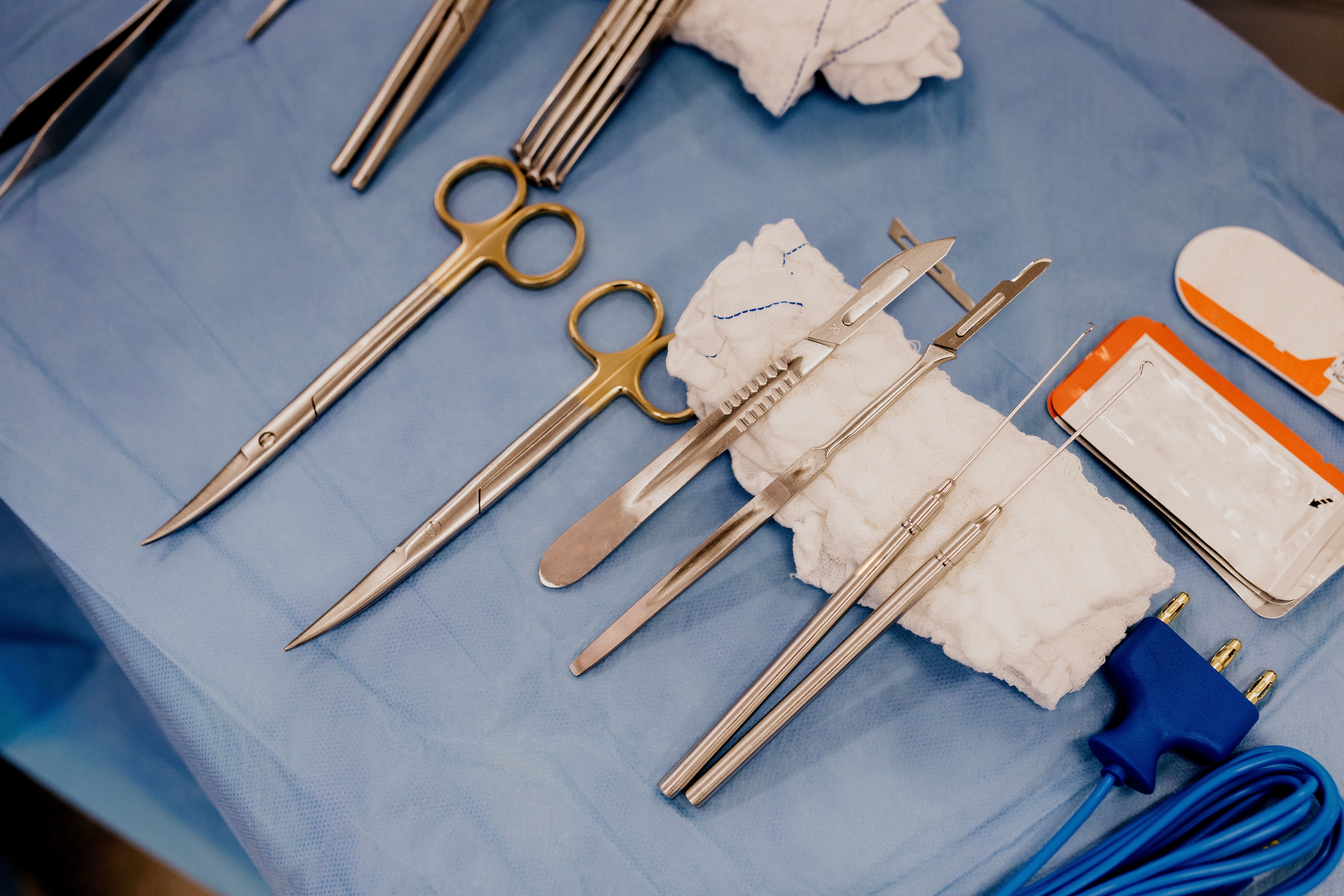
You trusted a surgical team to operate carefully and close the incision cleanly. But weeks or months later, you are back in the hospital, this time with unexplained pain, a dangerous infection, or an abscess that should not exist. When doctors investigate, they find something that was never supposed to stay: a surgical sponge, a clamp, a piece of gauze. Retained surgical instruments are one of the most serious and preventable forms of medical malpractice, and if it happened to you or someone you love, you may have grounds for a medical malpractice claim in Pennsylvania.
These incidents, sometimes called never events because they should never occur in a properly run operating room, affect thousands of patients in the United States every year. The consequences range from chronic pain and repeat surgeries to life-threatening infections, organ damage, and wrongful death. In the Philadelphia area and across Pennsylvania, patients who have been harmed by retained foreign bodies in surgery have the right to hold negligent medical providers accountable.
If you believe a surgeon or hospital left a surgical item inside your body, do not wait to get answers. Call Anapol Weiss at 215-735-1130 or contact us through our online contact form to schedule a free consultation with our medical malpractice team today.
Retained Surgical Instruments In Pennsylvania: What Are They And How Often Do They Happen?


A retained surgical instrument, also called a retained foreign body, is any object that a surgical team leaves inside a patient's body after an operation is completed. These items are supposed to be tracked and counted before an incision is closed, but counting protocols fail far more often than patients realize.
Retained surgical items are far more common than most patients realize. With millions of operations performed in the United States every year, thousands of patients leave the operating room each year with something inside them that should not be there. Some items are discovered within days. Others go undetected for months or even years, causing progressive harm the entire time.
The most commonly retained items include:
- Surgical sponges: The most frequently retained item, these absorbent materials are used throughout surgery to control bleeding and are notoriously difficult to track when they become soaked and change shape
- Clamps and forceps: Metal instruments used to grip, hold, or compress tissue during surgery can be left inside abdominal or chest cavities, particularly during complex or emergency procedures
- Needles and staples: Small sharp items used for suturing and tissue fastening can be overlooked during wound closure, especially when surgical counts are rushed or not performed correctly
- Drainage tubes and catheters: Portions of tubing used during surgery are sometimes inadvertently left behind, particularly if a tube breaks or is cut during the procedure
- Guidewires: Thin flexible wires used to position catheters and stents have been left inside patients' bodies with serious consequences, including organ perforation and vascular damage
No matter the object, the harm caused by a retained surgical item is a direct result of a failure in the standard of care that every patient is entitled to receive.
Surgical Negligence And Operating Room Errors: Why Retained Items Are A Preventable Failure
Hospital operating rooms are supposed to follow strict protocols to prevent retained surgical items. These protocols include counting all instruments and sponges before surgery begins, counting again at each stage of the procedure, and performing a final count before the surgical site is closed. When those counts come up wrong, established procedures call for the surgical team to halt and search the operative field before closing. When those procedures are followed, retained items can be caught and removed. When they are not, patients pay the price.
Retained surgical instruments typically occur when counting protocols are skipped, rushed, or performed carelessly, when communication breaks down between the surgeon, nurses, and surgical technologists, when there are unexpected changes mid-operation, such as emergency procedures or shifts in the surgical team, when a patient's body cavity is unusually complex or a procedure takes longer than expected, or when electronic tracking systems are not used or are used incorrectly.
Under Pennsylvania law, surgeons, hospitals, and other healthcare providers owe their patients a duty of care. When a retained surgical item causes harm, there is often more than one party responsible. The attending surgeon, the scrub nurse, the circulating nurse, and the hospital itself may all have contributed to the failure. A thorough medical malpractice investigation will identify where the breakdown occurred and who should be held accountable.
Similar Post: The Role of Expert Witnesses in Medical Malpractice Cases
Health Consequences Of A Retained Foreign Body: What Patients Experience After A Surgical Error
One of the most troubling aspects of retained surgical items is that they are not always discovered quickly. Symptoms may take weeks or months to develop, and patients often spend that time being told their pain is normal post-operative discomfort. By the time a retained item is found, significant damage may already have occurred.
The physical consequences patients experience as a result of retained surgical instruments include:
- Serious infections and sepsis: Retained items create a focus for bacterial growth inside the body, leading to localized infections, abscesses, and in severe cases, life-threatening systemic infection
- Bowel perforations and obstructions: Retained items in the abdominal cavity can puncture or press against the intestines, causing obstructions, fistulas, and perforations that require emergency surgery
- Organ damage: Sharp instruments and hard objects can migrate through tissue over time, causing damage to the bladder, liver, kidneys, and other vital organs
- Chronic pain and inflammation: Foreign bodies trigger the immune system, causing persistent pain, swelling, scar tissue formation, and inflammatory reactions that are often misdiagnosed for months
- Additional surgeries: Most retained items require a second operation to remove them, exposing the patient to additional anesthesia risk, recovery time, and complications
- Wrongful death: In severe cases, retained surgical items cause infections, organ failure, or internal injuries that prove fatal, particularly in patients who were already medically vulnerable
Beyond the physical harm, patients who discover a retained item often experience significant emotional trauma, including anxiety, loss of trust in the medical system, and lasting psychological distress. These non-economic damages are a recognized part of a medical malpractice claim in Pennsylvania.


Curious if You Have a Medical Malpractice Case?
Speak With Our Legal Team
215-735-1130Medical Malpractice Claims In Philadelphia: What To Do If You Think A Surgical Item Was Left Inside You
If you are experiencing unexplained pain, recurring infections, or other symptoms after surgery, and you suspect a retained surgical item may be the cause, there are steps you can take right away to protect both your health and your legal rights.
- Seek immediate medical evaluation: Ask your doctor to order imaging, including X-rays, CT scans, or MRI, to identify whether a foreign object is present. If your doctor dismisses your concerns, seek a second opinion without delay
- Request your complete medical records: Obtain all surgical records, operative reports, nursing notes, instrument count sheets, and imaging from the original procedure. These documents are essential to a malpractice investigation
- Document your symptoms and timeline: Keep a written log of when your symptoms started, how they have changed, and what medical care you have received. Include dates, names of treating providers, and descriptions of your pain and limitations
- Preserve any physical evidence: If the retained item is removed in a corrective surgery, ask your attorney about preserving it as evidence before any procedure is performed
- Consult a medical malpractice attorney promptly: Pennsylvania imposes a time limit on medical malpractice claims. In most cases, you have two years from the date you discovered or reasonably should have discovered the harm to file a lawsuit
The discovery rule in Pennsylvania can be important in retained instrument cases because the harm is not always immediately apparent. However, you should not assume that a delayed discovery automatically extends your deadline indefinitely. Speaking with an attorney as soon as possible is the safest way to protect your right to file a claim.
Similar Post: Understanding the Standard of Care in Medical Malpractice Claims
Retained Surgical Item Cases In The Philadelphia Region: Where These Errors Happen And Where To Turn
Surgical errors, including retained instruments and sponges, occur at hospitals and surgical centers throughout the Philadelphia area. Whether your procedure took place at a major academic medical center in Center City, a community hospital in Montgomery County, a surgical center in Bucks County, or a facility in Delaware County, the standard of care that applies to your surgical team is the same. When that standard is breached and you are harmed, the law gives you the right to seek accountability.
Patients treated at facilities along the I-95 corridor, in downtown Philadelphia, and throughout the surrounding suburbs deserve answers when something goes wrong in the operating room. The attorneys at Anapol Weiss, based at 130 N 18th Street in Philadelphia, have decades of experience handling complex surgical malpractice cases throughout Pennsylvania. We work with medical investigators and independent clinical reviewers to evaluate what happened and build the strongest possible case on your behalf.
If you or a family member has been treated at Jefferson Hospital, Penn Medicine, Temple University Hospital, or any other facility in the greater Philadelphia area and you have reason to believe a surgical item was left inside the body, we encourage you to reach out. These cases require careful and thorough investigation, and the sooner you get started, the better positioned you will be.
Frequently Asked Questions About Retained Surgical Instrument Claims In Pennsylvania
Is a retained surgical instrument always considered medical malpractice in Pennsylvania?
In most cases, yes. Retained surgical instruments are classified as never events, meaning they are considered preventable errors that should not occur when proper protocols are followed. Pennsylvania courts generally recognize that a surgical team's failure to account for all instruments and sponges before closing an incision falls below the accepted standard of care. That said, each case involves its own facts, and an attorney will need to review your records and circumstances to assess the strength of your claim.
Can I sue the hospital as well as the surgeon for leaving a surgical item inside me?
Yes. Pennsylvania medical malpractice law allows claims against multiple parties when more than one contributed to the harm. The hospital, the surgical nursing staff, and the attending surgeon all have defined responsibilities in the surgical counting process. If any of them failed to meet their obligations and that failure contributed to a retained item, they may share liability. Your attorney will investigate the roles of each party and determine who should be named in a claim.
What if the retained item was not found for months or years after my surgery?
Pennsylvania's discovery rule may allow the statute of limitations clock to start from the date you discovered, or reasonably could have discovered, that a surgical item caused your harm, rather than the date of the original surgery. This can be significant in retained item cases where symptoms develop gradually and a diagnosis is delayed. However, this area of law has specific requirements, and waiting too long can still jeopardize your claim. Speaking with a medical malpractice attorney promptly is strongly advised.
What compensation can I recover in a retained surgical instrument malpractice claim?
You may be entitled to recover compensation for medical expenses related to the retained item and any corrective surgeries, future medical care, lost income, reduced earning capacity, physical pain and suffering, emotional distress, and loss of enjoyment of life. If a family member died as a result of a retained surgical item, a wrongful death and survival action may also be available. The value of any claim depends on the specific facts of your case and the full extent of the harm you suffered.
How does Anapol Weiss handle medical malpractice cases involving surgical errors?
Anapol Weiss handles medical malpractice cases on a contingency fee basis, which means you pay nothing unless we recover compensation for you. Our team works with independent medical reviewers and clinical investigators to analyze your surgical records, identify what went wrong, and build a well-supported claim on your behalf. We offer free initial consultations so you can discuss your situation with no financial obligation.
Speak With A Medical Malpractice Attorney At Anapol Weiss: Your Questions Deserve Real Answers
Finding out that a surgeon left an instrument or sponge inside your body is a deeply unsettling experience. It raises questions about what happened, who knew, and what your options are going forward. You deserve honest answers, and you deserve a legal team that takes what happened to you seriously.
The medical malpractice attorneys at Anapol Weiss have a long record of standing up for patients across Pennsylvania who have been harmed by surgical errors, operating room negligence, and retained foreign bodies. We know how to investigate these cases, how to work with medical professionals to document the full extent of the harm, and how to pursue the compensation our clients need to move forward.
Call us today at 215-735-1130 or reach out through our online contact form to schedule a free, no-obligation consultation. If we take your case, there are no attorney fees unless we recover compensation for you.
Disclaimer: This blog is intended for informational purposes only and does not establish an attorney-client relationship. It should not be considered as legal advice. For personalized legal assistance, please consult our team directly.