For nearly two decades, Roblox has existed as a double-edged sword: a vibrant, creative metaverse for millions of children and a persistent source of anxiety for parents and child safety advocates. However, as of January 2026, the platform has reached a critical inflection point. Following a relentless wave of lawsuits and government investigations, Roblox has officially mandated facial age verification for all users worldwide who wish to access its chat features.

This update represents the most aggressive shift in the company’s history, moving away from a trust-but-verify model toward a biometric-first security architecture. But for firms like Anapol Weiss, who are currently leading over a dozen lawsuits against the gaming giant, the question remains: is this a genuine revolution in safety, or is it a defensive reaction to a platform that has already caused irreparable harm?
The Mechanics of the Update: Facial Estimation and Brackets
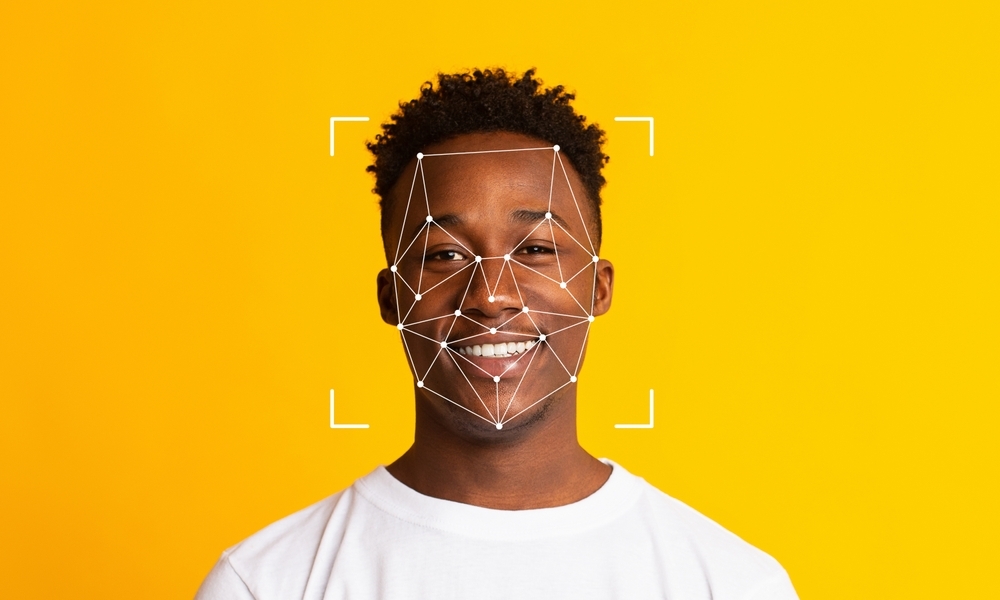
The core of the January 2026 update is the transition to Facial Age Estimation. Traditionally, age verification on the internet has been notoriously easy to circumvent, often requiring nothing more than a self-declared birthdate. Roblox is attempting to close this loophole by partnering with Persona, a third-party identity verification vendor.
Under the new system, any user who wishes to utilize the chat feature must undergo a video selfie check. Using the device's camera, the technology scans the user's facial features to estimate their age. For those 13 and older, a government-issued ID remains an alternative verification method, but for the vast majority of the 151 million daily active users, the selfie check will become the new gatekeeper.
To address privacy concerns, Roblox and Persona have stated that all biometric data, images, and videos are deleted immediately after the age estimation is processed. No raw identity information is stored on Roblox’s servers, a move designed to mitigate the risk of a biometric database becoming a target for hackers.
The Six-Bracket Social Experiment
Once a user’s age is verified, they are no longer permitted to roam the social ecosystem freely. Instead, they are placed into one of six distinct age brackets:
- Under 9
- 9 to 12
- 13 to 15
- 16 to 17
- 18 to 20
- 21 and over
This age-based chat system is designed to prevent the cross-generational communication that has historically led to grooming. For example, a user in the 9-12 bracket can only converse with peers in their own group or the adjacent Under 9 and 13-15 categories. Adults in the 21+ bracket are effectively blocked from communicating with minors unless they are confirmed as Trusted Connections, a feature that requires mutual consent and, in some cases, parental override via a QR code or contact list verification.
For children under nine, the stakes are even higher: chat is now disabled by default. Only after a parent completes an age-check themselves and provides explicit consent can these youngest users participate in any form of on-platform communication.
Similar Post: Media Statement on Roblox’s AI Age Verification
The Legal Catalyst: Why Now?
While Roblox frames these updates as a natural evolution of their safety vision, the timing is impossible to separate from the mounting legal pressure the company faces. In 2025 alone, firms like Anapol Weiss filed dozens of lawsuits alleging that Roblox's lack of security measures created a digital playground for predators.
The litigation highlights horrific cases of extremist grooming, sexual exploitation, and even real-world abductions. One notable lawsuit, Seitz v. Roblox Corp., filed in late 2025, involved a 13-year-old who was allegedly pushed to suicide by a violent extremist community she met on the platform. The common thread in these lawsuits is the allegation of negligent design: that Roblox built a system where adults could easily masquerade as children and use the in-game currency, Robux, to financially coerce and isolate vulnerable minors.
Furthermore, state Attorneys General in Texas, Louisiana, and Kentucky have launched their own offensive. The Kentucky AG’s office recently filed a complaint alleging that Roblox’s previous safety changes were belated and ineffective. By mandating global age checks now, Roblox is clearly attempting to demonstrate to the courts (and the public) that it is taking its duty of care more seriously.
Similar Post: The Growing Threat of 764: Why Anapol Weiss is Holding Tech Giants Accountable for Online Child Exploitation
The Trusted Connections Loophole
Despite the technological advancements, critics remain wary of the Trusted Connections feature. This allows users to bypass age-bracketing if they can prove a real-life relationship. While this is intended to allow siblings and families to play together, advocates worry that sophisticated predators will find ways to exploit the verification process, perhaps by convincing a child to scan a QR code that authenticates the predator as a trusted adult.
The Black Market for Verified Accounts
Perhaps the most immediate failure of the new system is the emergence of a digital black market. Within days of the January 2026 mandate, reports surfaced of age-verified Roblox accounts being sold on platforms like eBay for as little as $5. By purchasing an account that has already passed the facial scan or ID check, a predator can bypass the six-bracket system entirely, entering child-only chat spaces with a pre-validated minor status. While eBay has begun removing these listings for policy violations, the speed at which this underground market appeared suggests that biometric verification is not the impenetrable wall the company hoped for.

Parental Control or Parental Burden?
The 2026 update also shifts a significant amount of responsibility back onto the parents. Through a revamped Parental Insights dashboard, parents can now monitor who their children are chatting with and set strict time limits. However, this assumes that all parents are tech-savvy enough to navigate a complex set of menus, some of which have historically been hidden behind unlabeled gear icons.
The move to facial verification also creates a new psychological barrier. For many parents, the idea of their child’s face being scanned by a third-party AI is a significant privacy tax to pay for safety. While Roblox promises data deletion, the history of Big Tech is littered with so-called permanent deletions that turned out to be anything but.
The rollout has also highlighted a phenomenon known as verification fatigue. According to early reports of the 2026 update, many parents, who are frustrated by the technical hurdles or their children being locked out of social features, have begun completing the facial age checks on behalf of their kids. By using their own faces to verify their child’s account, these parents are inadvertently labeling minors as 21+ adults. This not only defeats the purpose of the age-bracketing system but actually places children in the highest-risk social category, where they are visible to the very adult users the system was designed to filter out.
A Step in the Right Direction is Not a Guarantee of Safety
While Roblox presents these updates as a major shift, experts and safety advocates remain cautious. By mandating biometric age estimation for social features, Roblox is attempting to distance itself from its reputation as a hunting ground for bad actors and rebrand as a platform focused on digital civility. However, for the families currently pursuing litigation through firms like Anapol Weiss, these changes are viewed with skepticism. They represent the very safeguards that might have prevented harm if they had been implemented years ago, rather than appearing now as a response to legal pressure.
The introduction of age-based brackets is a step forward in creating friction for predators, but it is far from a foolproof solution. Predators are notoriously adaptable, and a locked-down system often just forces them to find more creative ways to bypass the rules. While it is now harder for a 30-year-old to openly message a 10-year-old, the underlying issue of how these predators infiltrate the platform remains a massive concern.
How Predators Can Still Slip Through the Cracks
Technology is rarely a perfect shield against human manipulation. Even with high-tech facial scans, there are several ways a motivated bad actor can bypass these new security measures.
- The Borrowed Identity: One of the most common concerns is that a predator can simply ask a child in their real life, perhaps a younger relative or a neighbor, to help them by taking a quick video selfie. Once the AI verifies that face as a minor, the predator gains access to a verified child's account, allowing them to blend in perfectly with their targets.
- AI and Deepfakes: As facial estimation technology evolves, so does the technology to beat it. Predators can use deepfake filters or high-quality 3D models to mimic the facial features of a child. Some community members have already reported that simple changes in lighting or removing glasses can cause the AI to incorrectly estimate an adult as being in a younger age bracket.
- The Trusted Connections Loophole: Predators often spend months grooming a victim across different platforms. They may convince a child to scan a Trusted Connection QR code, which essentially tells the system that the two users know each other in real life. This bypass allows them to ignore age-group restrictions entirely.
- Purchased Verified Accounts on Other Platforms: Predators can buy or acquire pre-verified accounts on other social media or gaming platforms, then use those accounts to establish credibility and gain a child’s trust. Once trust is established elsewhere, they can move the interaction onto platforms with stricter safeguards, effectively sidestepping initial verification measures.
The reality is that while these updates make it more difficult for casual bad actors to operate, they do not stop the most dangerous and determined individuals. For parents, these tools are a helpful barrier, but they are not a substitute for monitoring who your child is talking to and where those conversations might be heading.
Simple Habits That Help Keep Kids Safer on Roblox
Play in Shared Spaces, Not Behind Closed Doors
Where a child plays matters. Keeping Roblox on a family computer or in a shared room makes inappropriate behavior harder to hide. Predators rely on privacy and isolation. Visibility alone can act as a powerful deterrent.
Treat Online Friends Differently Than Real-Life Friends
Children often assume that time spent gaming creates real trust. Parents should clearly explain that people met in games are not the same as friends from school or family. Even friendly, helpful players can misrepresent who they are.
Watch for Sudden Behavior Changes After Playing
Safety risks do not always show up on the screen. Mood swings, secrecy, reluctance to discuss gameplay, or emotional attachment to a specific player can all be warning signs. Changes in behavior often appear before parents discover inappropriate contact.
Explain Grooming Without Using Fear
Kids do not need graphic explanations to understand risk. Simple conversations about adults pretending to be kids, offering gifts, or asking for secrets help children recognize red flags early. When kids understand the tactic, they are more likely to speak up.
Create a Rule That Nothing Online Is a Secret
Predators depend on secrecy to maintain control. Parents should set a clear rule that no message, gift, or conversation in a game ever needs to be hidden from an adult. This removes a key manipulation tool.
Check in Regularly Without Interrogating
Open-ended questions like What games are you enjoying lately or Who do you usually play with encourage conversation without making kids defensive. When children feel safe talking, they are far more likely to report uncomfortable situations.
Similar Post: Talking to Your Teen About Online Exploitation: A Guide for Parents in the Digital Age
Is It Enough?
As we move into 2026, the new Roblox is a more restricted and verified environment. The introduction of mandatory facial age estimation, clear age-based social silos, and default-off chat for the youngest users are steps toward a safer ecosystem.
However, the platform is already off to a chaotic start. With millions of users reporting incorrect age estimations labeling adults as children and vice versa, the system’s reliability is being questioned by developers and safety advocates alike. A massive drop in platform interaction suggests that the transition has been as technically flawed as it is socially ambitious.
However, technology is only one part of the solution. As long as there is a profit motive to keep engagement high and moderation costs low, the tension between safety and growth will persist. For parents, the message remains clear: verification tools are a helpful barrier, but they are no substitute for active supervision. For Roblox, the true test will not be in the press releases about their new tech, but in whether the surge of lawsuits alleging security failures finally begins to slow. The pedophile hellscape narrative is a difficult one to erase, and it will take more than a video selfie to rebuild the trust that has been lost.
If your child was harmed while playing Roblox, don’t wait. Contact Anapol Weiss at 215-735-1130 today.
Disclaimer: This blog is intended for informational purposes only and does not establish an attorney-client relationship. It should not be considered as legal advice. For personalized legal assistance, please consult our team directly.