
For years, parents have trusted that age restrictions on social media platforms would shield their children from dangers online. Now, Discord has announced sweeping changes to its age-verification system, including treating all users as teens by default and requiring age confirmation for adult access. On the surface, that sounds reassuring. However, the very need for these changes raises a deeper question: if stronger protections are possible today, what risks were minors exposed to yesterday?
Recent reporting has highlighted how easily teens misrepresented their age to gain access to adult Discord servers. If your child has been harmed due to unsafe platform design or inadequate age verification systems, call Anapol Weiss at 215-735-1130 to schedule a free consultation.
Discord Age Verification Changes: What The New System Actually Does
Discord has announced that it will begin treating users as minors by default unless they verify their age. To unlock adult-only spaces, users may be required to confirm their identity through age estimation technology or government-issued identification.
The platform has also introduced automated age inference systems designed to flag accounts that appear inconsistent with stated ages. In theory, these updates limit minors’ access to adult communities.
However, these changes are reactive. They follow years of criticism and growing concern about minors entering adult servers with nothing more than a self-reported birthdate.
The rollout of stronger safeguards highlights an important legal issue. If enhanced age verification is feasible now, was it feasible before widespread harm occurred?
Age Misrepresentation On Discord: How Teens Previously Bypassed Restrictions
Before these changes, Discord relied heavily on self-reported information. A teen could enter an adult birthdate and instantly gain access to dangerous spaces. Once the account reflected an adult age, filters intended to protect minors often no longer applied.
This structure allowed minors to enter private servers that included explicit discussions, graphic media, and direct interaction with adults. Because Discord centers around private communities, many of these interactions occurred outside broad public moderation.
The simplicity of the bypass created a predictable risk. When age verification depends entirely on honesty, children can override safeguards in seconds.
Discord NSFW Servers: The Risks Of Entering Adult Digital Spaces
Not Safe For Work (NSFW) servers contain explicit material intended strictly for adults. When minors gained access under the prior system, they could encounter content far beyond their developmental stage.
The risks extended beyond viewing images. Discord’s structure encourages direct messaging, voice communication, and invitation-only channels. That combination creates a setting where adults and minors can interact privately.
Common dangers include:
- Grooming Behavior: Gradual trust-building before inappropriate conversations
- Coercion For Images: Pressure to send personal or intimate photos
- Blackmail Or Threats: Use of shared content to manipulate minors
- Data Exploitation: Requests for personal details or location information
Even with new safeguards, families must understand the risks that existed before implementation. Harm that occurred prior to policy changes does not disappear simply because updates are announced.
Online Grooming And Platform Responsibility: Why Design Choices Matter
Online grooming often begins subtly. Adults may initiate conversations around shared interests before gradually introducing private discussions. When platforms lack meaningful age verification, minors become easier targets.
If an account appears adult, moderation systems may not flag suspicious adult-to-adult interactions. That gap allows inappropriate conduct to continue undetected.
The recent rollout of stricter verification measures suggests that stronger safeguards were technically possible. Legal questions may focus on whether companies delayed implementation despite known risks.
When foreseeable harm results from preventable design decisions, courts may examine whether a duty of care was breached.
Similar Post: Roblox Just Changed Everything: What Parents Need to Know About the New Age Checks
Social Media Negligence Claims: Legal Theories Families Are Exploring
Families pursuing claims related to social media harm often examine several key factors:
- Duty Of Care: Whether the platform had a responsibility to protect minor users
- Foreseeability Of Harm: Whether the company knew teens were bypassing age gates
- Design Flaws: Whether self-reporting created predictable vulnerabilities
- Failure To Implement Safeguards: Whether stronger verification was available but not used
The introduction of new age-verification features may become part of that analysis. Policy changes can demonstrate awareness of prior weaknesses.
Each case depends on specific facts, including the nature of the harm and the timeline of platform decisions.
Emotional Impact On Families: When Digital Exposure Leads To Real Trauma
When a minor is exposed to predators online, the effects often extend beyond the screen. Parents frequently notice behavioral shifts before understanding the cause.
Warning signs may include:
- Behavioral Withdrawal: Sudden isolation from friends and activities
- Academic Decline: Falling grades or difficulty concentrating
- Sleep Disturbances: Nightmares or late-night device use
- Heightened Anxiety: Fear surrounding messages or notifications
- Secretive Behavior: Extreme defensiveness about online accounts
Parents often blame themselves. However, even attentive supervision cannot compensate for weak platform safeguards.
The emotional consequences can require counseling and long-term support. In severe cases, minors experience coercion, image-based exploitation, or lasting psychological trauma.
Similar Post: Talking to Your Teen About Online Exploitation: A Guide for Parents in the Digital Age
Evidence Preservation Steps: Protecting Your Child And Your Legal Options
If you discover inappropriate interactions, focus first on your child’s safety. Restrict access to concerning accounts and ensure immediate support.
At the same time, preserve potential evidence:
- Capture Screenshots: Save messages, usernames, and timestamps
- Record Server Information: Document the community where interactions occurred
- Preserve Account History: Maintain login and profile details
- Avoid Immediate Deletion: Do not erase accounts before seeking legal guidance
- Seek Professional Support: Arrange counseling if emotional distress appears
Documentation can be critical if legal action becomes necessary. Early consultation helps protect both your child and your rights.
Platform Accountability And Ongoing Reform: Why Legal Advocacy Matters

Discord’s updated age verification system reflects growing pressure on technology companies to protect minors. While these reforms may reduce future risk, they do not erase prior exposure or harm.
Legal advocacy plays a central role in driving meaningful change. When families pursue accountability, companies face incentives to strengthen safeguards and prioritize child safety.
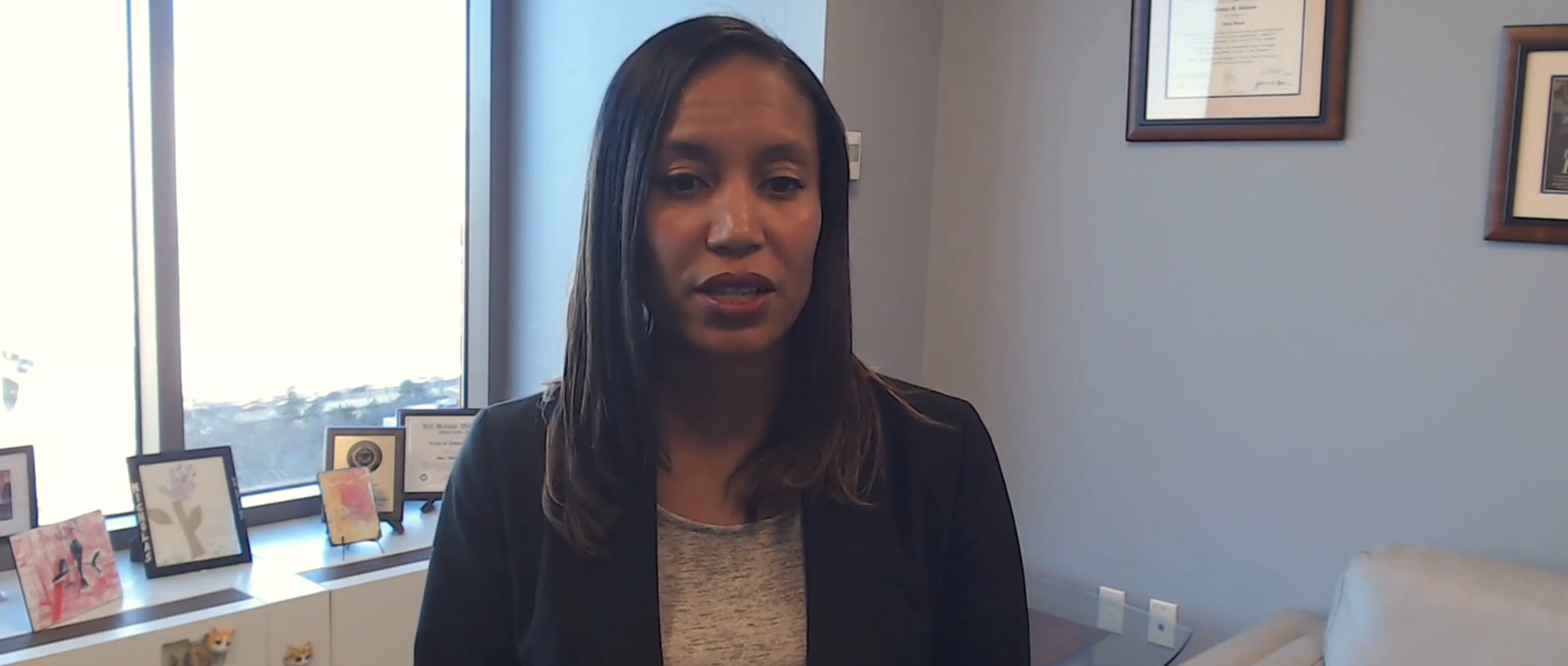
As Pat Huyett of Anapol Weiss explains:
“For years, we’ve represented children who were sexually exploited on platforms like Roblox and Discord because safety measures were treated as optional rather than foundational. A teen-by-default approach is a step in the right direction, but it only matters if it’s rigorously enforced and designed with child safety, not user growth, as the priority. Age verification cannot be a box-checking exercise. These platforms know minors are using their services in enormous numbers, and they have a legal and moral obligation to build systems that prevent predators from accessing children in the first place. Anything less continues to put kids at risk.”
This perspective underscores a broader issue. When companies recognize vulnerabilities and implement stronger protections, courts may examine whether those safeguards could have been deployed earlier. Policy updates can reflect awareness of systemic weaknesses, particularly when minors were previously able to bypass restrictions with minimal effort.
Our firm represents families affected by unsafe social media environments and inadequate age verification systems. We approach these cases with discretion, empathy, and a commitment to holding platforms accountable for preventable harm.
If your child has experienced exploitation or exposure connected to Discord or other social media platforms, call Anapol Weiss at 215-735-1130or reach out through our online contact form to speak with an attorney and learn how we can help protect your family’s rights and pursue accountability.
Disclaimer: This blog is intended for informational purposes only and does not establish an attorney-client relationship. It should not be considered as legal advice. For personalized legal assistance, please consult our team directly.