Imagine opening your rideshare app late at night.
You check the driver’s rating. You glance at the license plate. Maybe you text a friend to share your trip details.
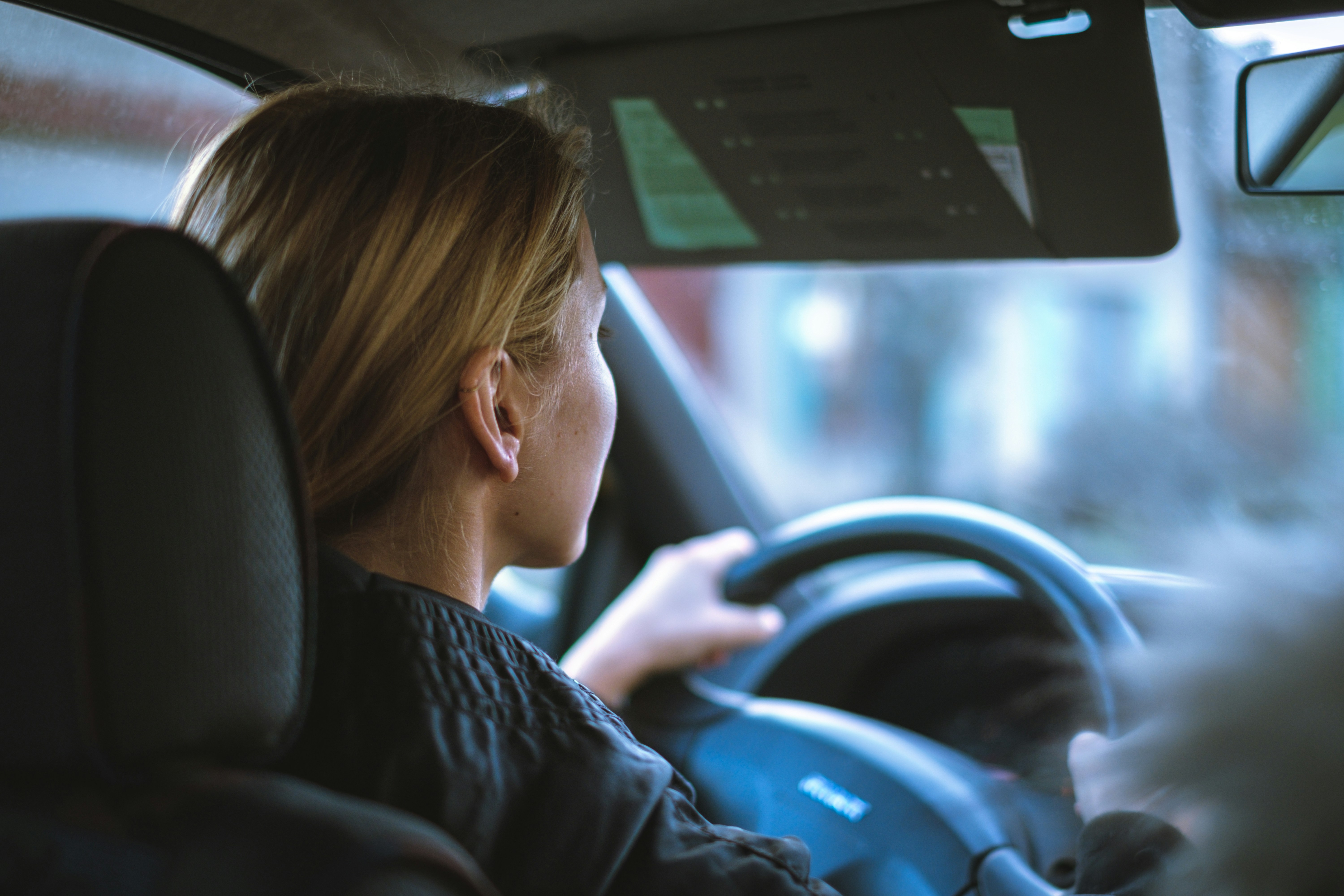
Now imagine seeing a new option that allows you to request a female driver.
For many women, the reaction may be immediate relief.
That idea is at the center of Uber’s new Women Preferences feature, which the company recently rolled out nationwide in the United States. The feature allows female passengers to request female drivers and allows female drivers to prioritize trips with women riders.
Uber says the feature was created after women using the platform asked for more control over who they ride with and who they drive for.
But the rollout raises a deeper question: what does that say about the safety concerns passengers have experienced on rideshare platforms for years?
Uber’s Women Preferences Feature: How Does Uber’s Women-Only Matching System Work?
The new option, called Women Preferences, allows women on the Uber platform to increase the chances of being matched with other women.
The feature works in several ways:
- Female riders can request a female driver when ordering a ride
- Female riders can reserve trips with women drivers in advance
- Female users can set a preference in the app to increase the likelihood of being matched with a female driver
Female drivers can also toggle a setting that prioritizes ride requests from women passengers.
Uber says the goal is to give women more flexibility and control over their rideshare experience, especially during trips where safety concerns may be higher.
The company estimates that about one in five Uber drivers in the United States are women, though the ratio varies widely depending on location.
The concept itself is not new. Versions of the program already exist in more than 40 countries worldwide, including Brazil, Spain, and Saudi Arabia, (where it was launched in 2019).
Still, the nationwide rollout in the United States has sparked an immediate conversation about safety, discrimination, and the responsibilities of rideshare companies.
Uber Driver Lawsuit: Why Are Drivers Challenging the Women Preferences Feature?
Not everyone believes the new feature is the right solution.
Shortly after the rollout, two Uber drivers in California filed a lawsuit claiming the policy discriminates against male drivers.
The drivers argue that the Women Preferences feature violates California’s Unruh Civil Rights Act, which prohibits businesses from discriminating based on sex.
According to the lawsuit, allowing female drivers to prioritize female riders could give them access to a larger pool of passengers while limiting opportunities for male drivers.
Uber disputes those claims and has asked the court to move the case into private arbitration.
The company argues that the feature serves an important purpose: improving safety and giving riders more control over their experience on the platform.
That legal debate is likely to continue. But it also highlights a larger issue that has shaped the rideshare industry for years: safety.
Uber Women Preferences Feature: Why Did Uber Introduce This Option Now?
Uber did not introduce Women Preferences in a vacuum.
The rideshare industry has faced increasing scrutiny over passenger safety, particularly after reports of sexual assault and misconduct involving drivers.
The company itself has previously released safety reports acknowledging thousands of sexual assault incidents reported on the platform over multiple years of rides.
Although Uber has emphasized that such incidents represent a small percentage of overall trips, the issue has become a central concern for regulators, courts, and riders alike.
The rollout of Women Preferences reflects that reality.
In many ways, the feature is an acknowledgment that safety concerns have shaped how passengers think about rideshare travel.
And in courtrooms across the country, those concerns are already being examined in much greater detail.
Uber Passenger Assault Lawsuit: How Litigation Is Forcing Safety Questions Into the Spotlight
The conversation about rideshare safety is not limited to app features.
It is also unfolding in court.
Thousands of lawsuits have been filed across the United States alleging sexual assault and misconduct by drivers using the Uber platform. These cases have raised serious questions about how rideshare companies screen drivers, monitor trips, and respond when passengers report misconduct.
One of the most significant developments in that litigation occurred recently when a federal jury awarded $8.5 million to a survivor in the first bellwether Uber sexual assault trial.
The case was led by Alexandra Walsh of Anapol Weiss, who served as co-lead trial counsel in the landmark trial.
Bellwether trials play a critical role in large national cases. They allow juries to hear evidence that may influence how thousands of similar claims are evaluated in the future.
In this case, the trial forced jurors to examine the systems and safety measures rideshare companies use to protect passengers.
And the verdict sent a clear signal that those questions matter.
If you or someone you love was the victim of sexual assault while riding in or driving for Uber, contact Anapol Weiss at 215-735-1130 for a free and confidential consultation.
Disclaimer: This blog is intended for informational purposes only and does not establish an attorney-client relationship. It should not be considered as legal advice. For personalized legal assistance, please consult our team directly.